Welcome to J-A-B Graphics
Your one-stop shop for all your graphic design and SEO needs.
We offer a wide range of services to help you get the most out of your online presence. From web design and development to logo and branding, we have the tools and experience to help you reach your target audience.


Why Us?
At J-A-B Graphics, we pride ourselves on our commitment to customer satisfaction. We go above and beyond to make sure that your experience with us is second to none.
We believe that every business deserves to have a website that is both aesthetically pleasing and easy to use. We also believe that every website should be optimized for search engines so that potential customers can easily find you online.
When you work with us,
you can expect:

High-quality services

Excellent Customer Service

A team of experts
Latest News
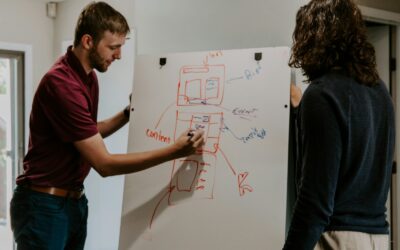
Balancing Act: Navigating SEO and User Experience in Website Design
Introduction: Hey there, digital trailblazers! Today, we're diving into a topic that's at the heart of modern web design – the harmonious blend of SEO and User Experience in Website Design. Think of it as the PB&J of the digital world; separate, they're good, but...

How to Optimize Your Blog Posts for Social Media Sharing and SEO
In today's digital landscape, optimizing your blog posts for both social media sharing and search engine optimization (SEO) is crucial for driving traffic and increasing visibility. Here are some actionable tips to help you optimize your blog posts effectively....

The Intersection of Web Design and Branding
Web design and branding are intertwined. The moment the potential customers or target audience visit your website, the color themes applied, layout, tone of text, pictures and audio should be consistent with what your merchandise or service should look or feel...